
Stop Food Waste: Smart Cooking Tips You'll Love
Table of Contents
- Plan Meals Before Shopping
- Organize Your Fridge the Smart Way
- Turn Leftovers Into New Meals
- Cook With Ingredients You Already Have
- Store Food Properly for Longer Freshness
- Freeze Smart and Often
- Use the "First In, First Out" Rule
- Learn Portion Control
- Choose Recipes With Overlapping Ingredients
- Make "Clean-Out-the-Fridge" Meals
- Compost What You Can
Stop Food Waste: Smart Cooking Tips You'll Love | IngreGO Blog
Food waste is a common problem in many homes. Leftovers sit in the fridge, vegetables spoil before you use them, and ingredients often get forgotten. Smart cooking can change this. With a few simple habits, you can reduce waste, save money, and enjoy fresh meals every day. These tips help you stay organized and confident in the kitchen.
Plan Meals Before Shopping
A weekly meal plan is your strongest tool against waste. When you know what you will cook, you buy only what you need. This prevents overstocking your fridge with random items. Keep your plan realistic and flexible. Choose meals that use overlapping ingredients. This makes cooking easier and ensures everything gets used before it spoils.
Planning Benefits:
- Buy only what you need
- Prevent overstocking
- Use ingredients before they expire
- Save money on groceries
According to research from the Natural Resources Defense Council, meal planning can reduce household food waste by up to 25%. Use our meal planner to create weekly plans that minimize waste. Check out our beginner's guide to smart meal planning with AI help for more planning strategies.
Organize Your Fridge the Smart Way
A clean and organized fridge reduces waste. Keep cooked foods at eye level so you see them first. Place fruits and vegetables in clear containers. Label leftovers with dates to avoid guessing. Rotate older items to the front and keep newer ones in the back. This system helps you spot food that needs attention before it expires.
Organization Tips:
- Keep cooked foods at eye level
- Use clear containers for visibility
- Label leftovers with dates
- Rotate older items forward
This simple system helps you spot food that needs attention before it expires. You waste less and cook more efficiently when everything is visible and organized.
Turn Leftovers Into New Meals
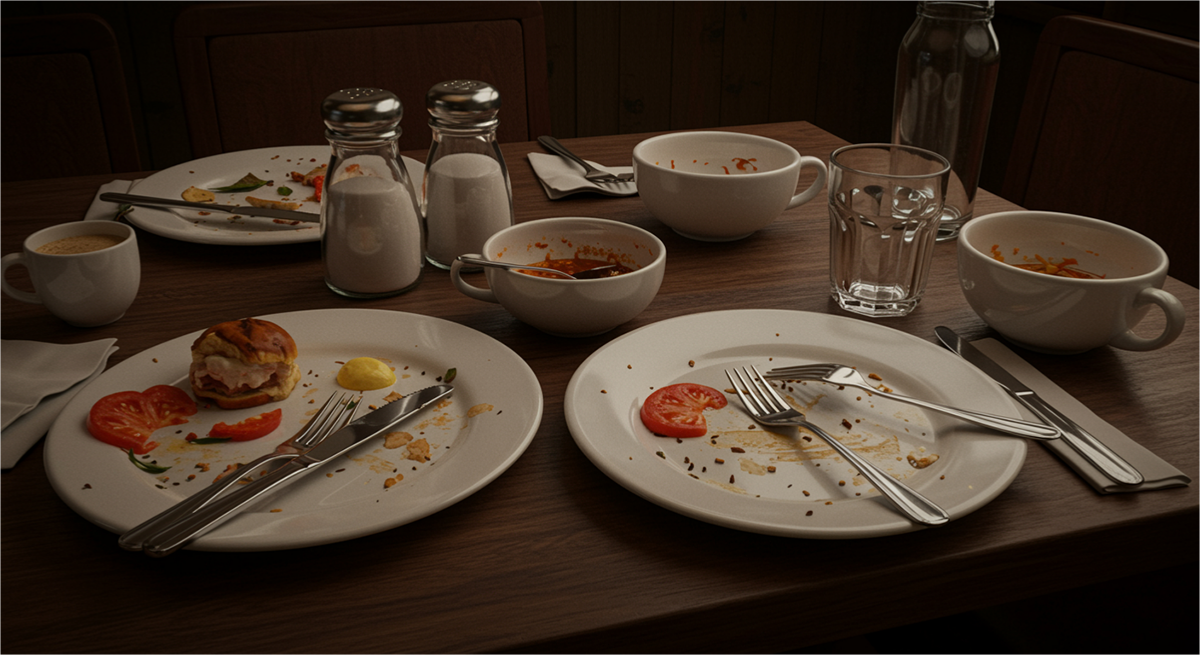
Leftovers do not need to feel boring. You can transform them into new dishes with simple techniques. Chicken becomes tacos or pasta. Roasted vegetables turn into soups or omelets. Rice becomes fried rice with just a few additions. These fast ideas save time and money while keeping meals exciting. Creativity helps you use everything you cook.
Leftover Transformations:
- Chicken → tacos or pasta dishes
- Roasted vegetables → soups or omelets
- Rice → fried rice with additions
- Cooked proteins → wraps or bowls
These fast ideas save time and money while keeping meals exciting. For more creative ideas, explore our guide on 5 genius ways to reuse leftovers for tasty new meals.
Cook With Ingredients You Already Have
Before you shop, check your fridge and pantry. Plan meals around what is already available. This prevents duplicate purchases. It also helps you finish items close to expiration. Many AI cooking tools can scan your ingredients and suggest recipes. This keeps your cooking efficient and ensures nothing goes to waste.
Smart Shopping Strategy:
- Check fridge and pantry first
- Plan meals around available items
- Prevent duplicate purchases
- Finish items close to expiration
AI cooking tools can scan your ingredients and suggest recipes instantly. This keeps your cooking efficient and ensures nothing goes to waste. Try our ingredient scanning tool to discover recipes using what you already have. Learn how to turn fridge ingredients into dinner using AI for instant meal ideas.
Store Food Properly for Longer Freshness
Proper storage extends the life of your ingredients. Keep herbs in jars with water. Store greens with paper towels to reduce moisture. Freeze meats in individual portions. Place leftovers in airtight containers. These small habits prevent spoilage and help your food stay fresh. You waste less and cook more effectively.
Storage Tips:
- Keep herbs in jars with water
- Store greens with paper towels
- Freeze meats in individual portions
- Use airtight containers for leftovers
These small habits prevent spoilage and help your food stay fresh. Proper storage can extend the life of ingredients by up to 50%, significantly reducing waste.
Freeze Smart and Often
Your freezer is a powerful tool. Freeze bread, sauces, soups, and cut vegetables. Many foods last months when stored correctly. This gives you ready-to-use ingredients for busy days. It also prevents last-minute panic when something is about to expire. Freezing keeps your meals flexible and reduces waste dramatically.
Freezing Benefits:
- Extend food life by months
- Ready-to-use ingredients for busy days
- Prevent last-minute expiration panic
- Maintain meal flexibility
Label frozen items with dates so you know what to use first. This system helps you maintain variety while reducing waste significantly.
Use the "First In, First Out" Rule
This rule keeps your kitchen organized. When you bring home new groceries, move older items forward. Use them first. This prevents food from hiding in the back of your fridge. It also keeps your weekly meals balanced. This simple habit works for fresh and packaged foods.
FIFO Strategy:
- Move older items forward
- Use older items first
- Prevent food from hiding
- Keep meals balanced
This simple habit works for fresh and packaged foods. It ensures nothing gets forgotten in the back of your fridge or pantry.
Learn Portion Control
Cooking too much leads to unwanted leftovers. Make portions that match your needs. Use smaller plates for better balance. Measure rice, pasta, and grains so you cook only what you plan to eat. This reduces waste and supports healthier eating habits. You enjoy your meals without extra food sitting unused.
Portion Control Tips:
- Match portions to your needs
- Use smaller plates for balance
- Measure rice, pasta, and grains
- Cook only what you plan to eat
This reduces waste and supports healthier eating habits. You enjoy your meals without extra food sitting unused in the fridge.
Choose Recipes With Overlapping Ingredients
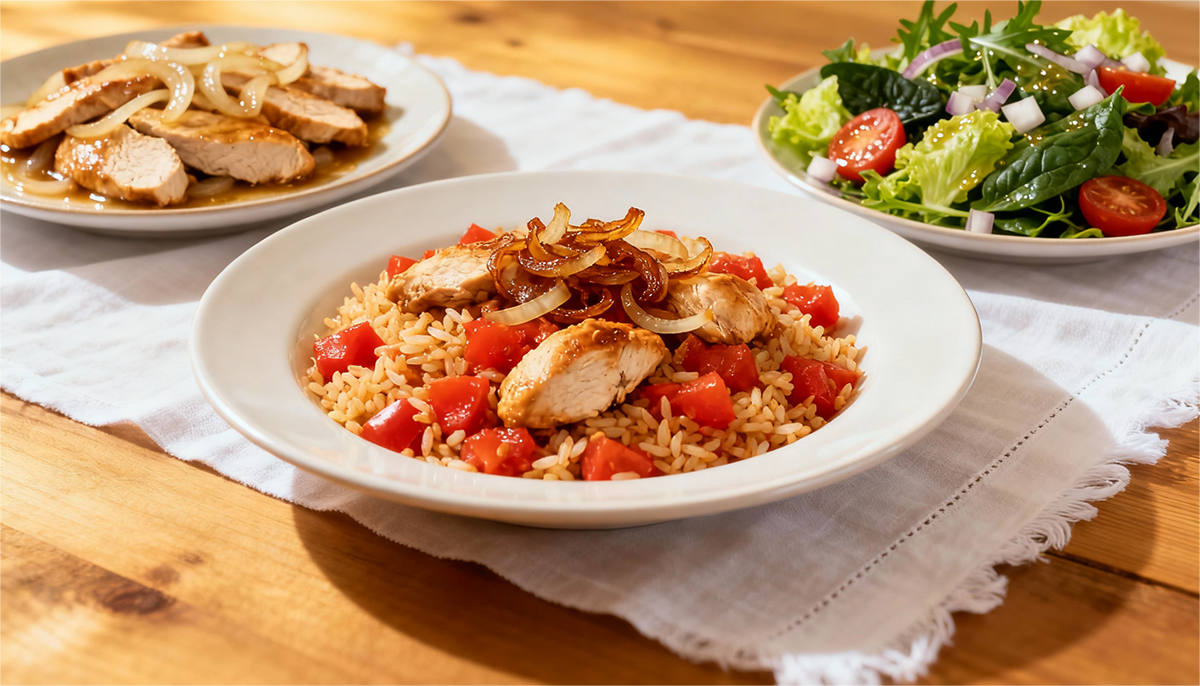
Smart recipes share ingredients. Tomatoes, onions, chicken, rice, and greens can appear in several dishes. Choose meals that work together. This lowers your grocery bill and ensures nothing expires before you use it. AI meal planners are great at creating these combinations.
Overlapping Ingredient Strategy:
- Tomatoes, onions, chicken, rice, and greens
- Use ingredients across multiple dishes
- Lower grocery bills
- Prevent expiration before use
AI meal planners are great at creating these combinations. They help you plan meals that share ingredients efficiently. Use our meal planner to discover recipes with overlapping ingredients that reduce waste and save money.
Make "Clean-Out-the-Fridge" Meals
Once a week, make a dish using everything that is leftover. Stir-fries, soups, bowls, and omelets work well. These meals help you finish ingredients before they spoil. They also encourage creativity and reduce stress. You save time because the items are already prepped.
Clean-Out Meal Ideas:
- Stir-fries with mixed vegetables
- Hearty soups from leftovers
- Protein bowls with various ingredients
- Creative omelets with leftover veggies
These meals help you finish ingredients before they spoil. They also encourage creativity and reduce stress. You save time because the items are already prepped. For more ideas, check out our 5 genius ways to reuse leftovers for tasty new meals.
Compost What You Can
Even the best cooks create scraps. Composting turns those scraps into something useful. You reduce trash, improve the environment, and support sustainable living. This habit closes the circle of smart cooking.
Composting Benefits:
- Reduce household trash
- Improve the environment
- Support sustainable living
- Close the circle of smart cooking
Even small composting efforts make a difference. Vegetable peels, coffee grounds, and eggshells can all be composted, turning waste into valuable soil nutrients.
Conclusion
Food waste does not need to be part of your daily routine. With simple planning, smart storage, and creative meal ideas, you can use everything you buy. These tips help you save money, protect the environment, and cook with confidence. By making small changes, you create a kitchen that feels efficient, organized, and enjoyable.
Start with one or two tips and build from there. Every small change adds up to significant waste reduction over time. Use our meal planner and ingredient scanning tool to make smart cooking even easier. With the right tools and habits, you can transform your kitchen into a waste-free zone that saves money and supports sustainable living.
Ready to Cook Smarter?
Scan your ingredients, discover AI-generated recipes, and plan your meals effortlessly.
Start for FreeRelated Posts
7-Day Healthy Meal Plan Made Easy with Smart AI
Follow this simple 7-day AI-generated meal plan for healthy eating with no stress. Balanced, quick, and beginner-friendly meals that fit your lifestyle perfectly.

Fridge Organization Tips That Make Cooking Easier
Discover simple fridge organization tips that keep food fresh and make daily cooking faster, cleaner, and stress-free.